
System Design: Load Balancing
Understanding Load Balancing
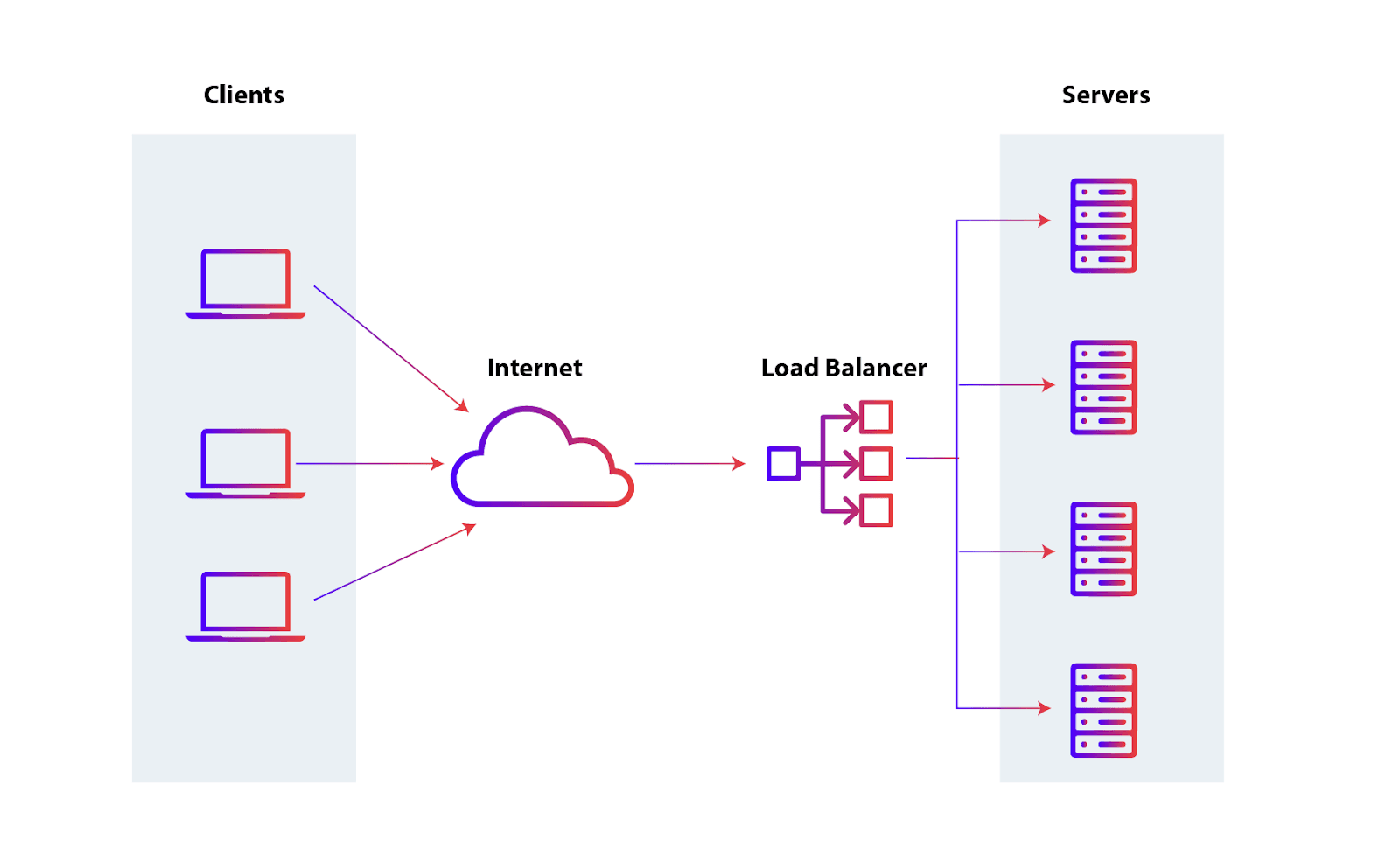
In web development, load balancing is a method used to distribute traffic across multiple servers. This helps make sure that no single server gets overwhelmed, leading to smoother and more reliable performance for users. Load balancing is key for high-traffic systems, especially those that need to be always available.
Types of Load Balancing
Round Robin Method
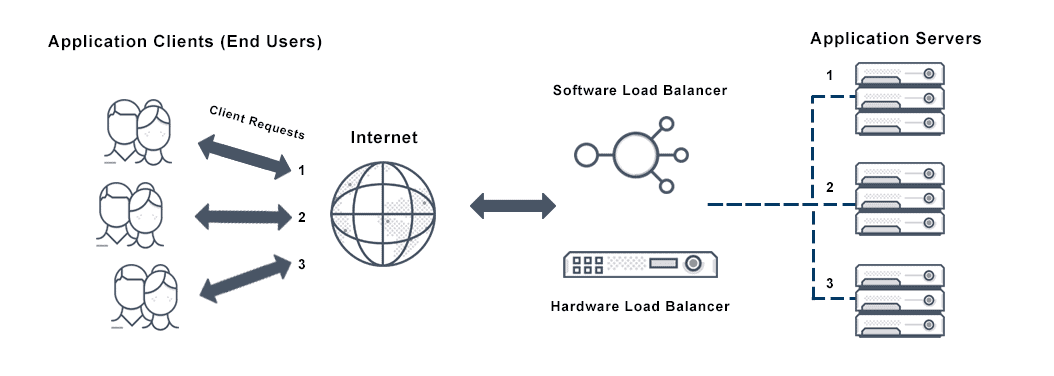
One common way to balance load is with the Round Robin method. Here, each incoming request is sent to the next available server in a rotating sequence, like passing requests in a circle. This is simple and works well if each server has similar capacity.
Types of Load Balancing
Least Connections Method
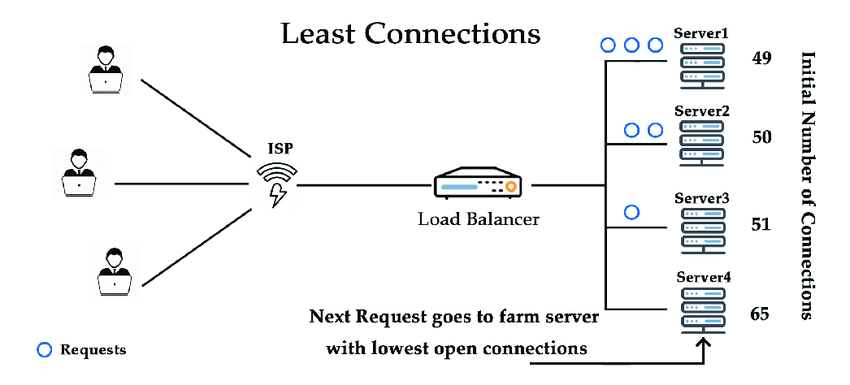
The Least Connections method directs each new request to the server with the fewest active connections. This is helpful if some servers are busier than others, as it spreads traffic more evenly based on workload.
Types of Load Balancing
IP Hash Method
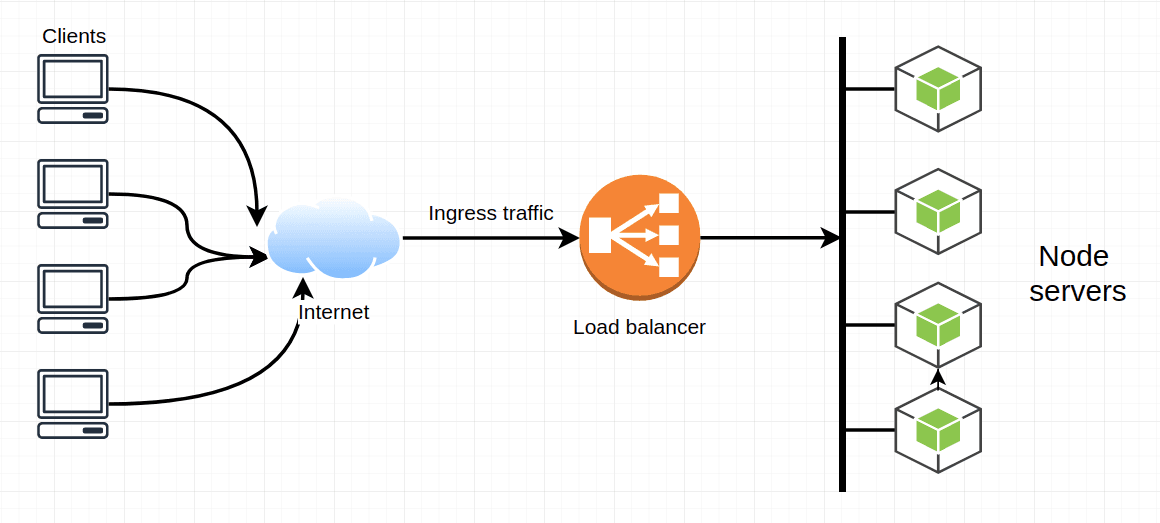
In the IP Hash method, a server is chosen based on the user’s IP address. This is useful when each user needs to connect to the same server each time, like for a specific session or cached content.
Final Thoughts
Why Load Balancing Matters
Load balancing is essential for keeping websites and apps responsive and available. Without it, one server might get too much traffic and crash, affecting all users. With load balancing, requests are spread out, so the system stays stable and can handle demand.